
Last updated Feb 28, 2025
Common SEO Errors of New Websites
When planning and building a new website, SEO considerations are certainly in the mix.
Or at least they should be, in most cases.
This post looks at several common SEO mistakes with new websites, with tips about how to avoid them.
Let’s take a closer look below…

This post contains a few referral links to select vendor partners. We may receive compensation for purchases made via these links, at no additional cost to buyers.
Top SEO Mistakes of Brand New Websites
Avoid the ‘Early SEO Killers’ When Building New Sites
Building out a completely new website or blog certainly involves many elements, from branding and positioning to design, layout, navigation, user experience (UX), core topics, content, conversion and monetization angles (as appropriate), visitor analytics, and more.
And oh yes — SEO — let’s not forget to include SEO, or search engine optimization!
That is, assuming ‘SEO traffic’, or growing website/blog traffic from organic search sources (Google, Bing, Yahoo, etc.), is an important part of your digital marketing mix and website growth plan.
If having good SEO for your new site/blog is important to you, then let’s continue…
Early SEO Killers — The Top Mistakes
These are summarized further below, but here’s a quick list of the major beginner SEO mistakes that many website/blog builders make when setting up a new site.
- Keyword-related mistakes
- Content issues
- Technical SEO errors
- ‘On-page’ SEO deficiencies
- Link-related mistakes
- Other ‘new site’ SEO mistakes
- Overspending early on SEO tools
- WordPress SEO mistakes
- Misjudging SEO priority in the overall marketing/sales mix
- Unrealistic SEO performance timeframe expectations
New Website SEO Killers
The Avoidable Early-Stage SEO Blunders with New Sites
When building a new website or blog, inexperienced site creators often make several common SEO mistakes that can hinder their site’s performance in search engine rankings.
Here are some of the most prevalent errors.
Keyword-Related Mistakes
Neglecting Keyword Research
Many new website creators fail to conduct proper keyword research before creating content. This leads to targeting overly competitive or irrelevant keywords, missing out on valuable opportunities to rank for more attainable and relevant search terms.
This activity often includes finding valuable ‘long-tail’ keyphrases and user queries, and even so-called ‘zero search volume’ keywords that can still present fruitful traffic-driving opportunities.
Keyword Stuffing
In an attempt to rank higher, some beginners overuse their target keywords, resulting in unnatural and spammy-looking content. This practice, known as keyword stuffing, can actually harm SEO efforts and lead to ranking penalties from search engines.
Keyword stuffing can happen in many areas, including body content, page URLs, HTML titles and meta descriptions, link anchor text, image alt text and captions, etc. Good website auditing tools, including SEO PowerSuite’s WebSite Auditor, can detect keyword-stuffing problems in these areas relative to your top SEO competitors.
Content Issues
Poor Quality Content
Creating thin, duplicate, or irrelevant content is a major mistake. Search engines prioritize high-quality, original content that provides real value to users.
Not Understanding Search Intent
Failing to align content with the user’s search intent is another common error. It’s crucial to understand what type of information users are looking for when they search for a particular keyword.
Search intent is often easier to discern for longer, multi-word search queries. This is partly why long-tail keywords (really key phrases) are often great for very targeted content.
Long Paragraphs and Poor Formatting
Many new bloggers and site builders write long, dense paragraphs that are difficult to read on digital devices. This can lead to high bounce rates and decreased engagement.
Avoiding these ‘wall of plain text’ problems from the start is a good goal. Also, look for ‘readability analysis’ tools (such as the free Yoast SEO plugin for WordPress) to help spot these issues.
Technical SEO Mistakes
Ignoring Mobile Optimization
With the increasing prevalence of mobile searches, not optimizing for mobile devices is a significant oversight.
Slow Page Load Speed
Neglecting page speed optimization can result in poor user experience and lower search engine rankings. Use free tools like Google’s PageSpeed Insights and GTmetrix to analyze and help fix early-stage website content.
Improper Use of Headings
Misusing or neglecting header tags (H1, H2, H3, etc.) can make it difficult for search engines to understand the structure and hierarchy of content. Focus on proper page header and sub-heading tags when building out early site content.
Also, building out page and post/article templates with proper H1-H4 (etc.) header structures can be very helpful in maintaining good consistency in this area.
On-Page SEO Errors
Neglecting Meta Descriptions and Title Tags
Failing to optimize meta descriptions and title tags is a missed opportunity to improve click-through rates from search results. Google will sometimes rewrite or change these elements before presenting results in the SERP, but I still prefer to include my versions as the default.
Good to Know: Some website builders and SEO tools now include AI writing assistants to help optimize both the HTML title tag and meta description for each page.
Not Using Alt Text for Images
Overlooking alt text for images makes it harder for search engines to understand the content of images and can negatively impact user accessibility. This is an important aspect of image SEO optimization. Image captions, filenames, and captions are also important.
Poor URL Structure
Using non-descriptive or overly long URLs can make it difficult for both users and search engines to understand the content of a page.
Link-Related Mistakes
Lack of Internal Linking
Not including internal links within content misses an opportunity to help search engines understand the structure of the website and pass link equity between pages. Internal link anchor text optimization is also important to consider, especially as sites grow larger over time.
Ignoring External Links
While it’s important to be selective, completely avoiding adding outbound external links to authoritative sources can be a mistake, as these can add credibility to your content.
Other Common Early-Stage SEO Mistakes
Ignoring Local SEO
For businesses serving specific geographic areas, neglecting local SEO optimization can result in missed opportunities to attract nearby customers.
Not Setting Up Website and Search Analytics
Failing to set up and properly configure analytics tools (like Google Analytics or non-Google web analytics tools) makes it impossible to track website performance and make data-driven decisions.
More specific to SEO performance tracking, free tools like Google Search Console and Bing Webmaster Tools are great sources for SEO insights and improvement ideas. (See more on these below).
Overlooking SEO Plugins
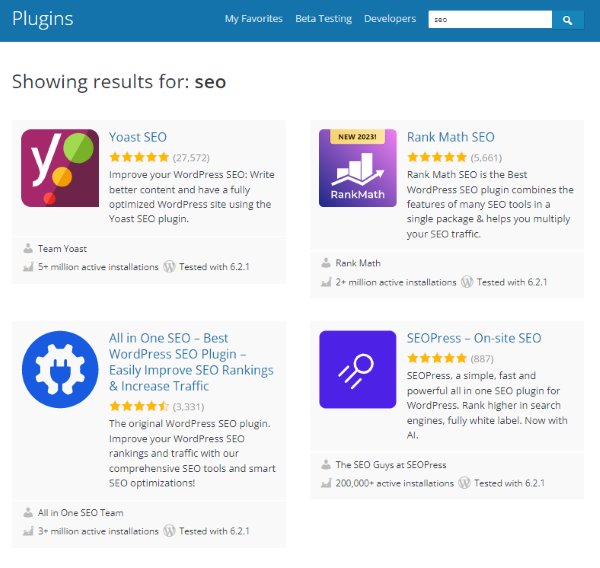
For platforms like WordPress, not utilizing SEO plugins such as Yoast SEO, Rank Math, All In One SEO (AIOSEO), Squirrly SEO, and others can make it more challenging to optimize content effectively.
Overspending on Paid SEO Tools
Especially for first-time website owners/builders with SEO ambitions and budget flexibility, it can be tempting to buy into a premium SEO platform right from the start.
These toolkits, such as Ahrefs, Semrush, Moz, and a few others, are powerful indeed. But, they may be overkill in some situations, especially for SEO beginners doing new site buildouts.
I recommend using free SEO tools and tactics first and also understanding the vast array of more affordable SEO toolkits if paid tools become necessary. See more on this in the next section below.
Mis-Prioritizing SEO in the Overall Marketing Mix
SEO is a fundamental inbound marketing tactic and is probably part of a larger portfolio of digital and traditional marketing tactics for your business and website.
Is SEO your top website and business growth priority? Or is it #2, #3, or lower in importance for you?
SEO’s priority in your overall marketing mix should impact your early-stage website development efforts and can lead to more (or less) tolerance for making early SEO mistakes.
Learn more about this angle here:
- SEO priority vs other marketing tactics
- Using SEO as a supporting marketing tactic
- Basic SEO for ‘marketing brochure style’ websites
- B2B SEO and the ‘underdog advantage’
Expecting ‘Instant Gratification’ from Early SEO Efforts
Some new website owners/builders, especially those also new to SEO, may have expectations about their initial SEO efforts paying off very quickly — driving lots of traffic within a few days or weeks.
Many SEO experts and practitioners (myself included), would advise new website owners to take a longer-term stance on SEO ROI. It may take several months to see initial traction and momentum from your early-stage SEO efforts, even without making beginner mistakes such as those outlined above.
The graphic below from Semrush does a good job of capturing this idea.

Related: Learn more here about how long SEO takes to work, and a piece on SEO and delayed ranking issues.
By avoiding the common SEO mistakes outlined above, new website creators can establish a stronger foundation for their SEO efforts and improve their chances of ranking well in search engine results pages.
Beginner Website SEO Tools & Tactics
Leverage These SEO Tools & Approaches Early and Often
With new websites and blogs, it’s extremely helpful to get off on the right foot regarding SEO.
Good early-stage SEO practices help drive organic site traffic faster, while also saving significant time and potential rework in the future.
Here are several areas to consider.
Use Free SEO Tactics and Tools When Feasible
It’s important to understand that many SEO methods, tactics, and tools are completely free to use, other than the opportunity cost of your time, of course.
Explore some of my other blog content for more in these areas:
- Free Google SEO tools
- Doing your own SEO for free (‘DIY’ SEO)
- Basic keyword research methods
- Free SEO tools from Ahrefs, Semrush, Moz, and more
- Free tools from SEO PowerSuite
- Free SEO browser extensions
Set Up Google Search Console and Bing Webmaster Tools
Two of the free SEO toolkits are worth calling out further here.
When working on SEO for new sites, be sure to establish connections with the mainstream webmaster toolkits: Google Search Console and Bing Webmaster Tools.


Read my other posts for more details, insights, and tips:
- Google Search Console vs Bing Webmaster Tools
- Google Search Console keyword research limitations
- Google Search Console rank-tracking limitations
- Doing SEO audits with Google Search Console
- Integrating Google Search Console with other SEO platforms
WordPress Sites — Maximize Freemium SEO Plugins
Free, freemium, and paid SEO tools are abundant in the WordPress ecosystem, with many now also incorporating AI-assistant and AI-powered features.
For WordPress site/blog owners working on new sites, the trick is not just to install one or more of these plugins, but to actually configure and use the plugins as early as possible to get maximum benefits.
Start with the free versions and move into paid territory as needed.
Other CMS & Site Builders — Maximize Built-In SEO Tools
Other mainstream website-building platforms, including Wix, Weebly, Squarespace, GoDaddy, and WordPress.com (cloud-based WordPress), have their own built-in and add-on SEO tools and capabilities.
When building new sites on these platforms, be sure to leverage their integrated SEO tools and guidelines from the start. Here are some resources to help:
- Wix SEO tools, guide, and resources
- Weebly SEO features and tools
- Squarespace integrated SEO tools
- GoDaddy SEO capabilities and tools
- WordPress.com SEO plugins (similar to familiar WordPress.org plugins)
Want to stay updated on my SEO-related content? Add your email details below for periodic updates straight from me (David).
Your email info is safe here. We don’t sell, rent, or share your details with outside parties. You can easily unsubscribe at any time.
Like this post? Quickly share it with your social networks here.
SEO Mistakes with New Websites — Closing Thoughts
Avoid Early-Stage SEO Mistakes for Faster Success
For new website creators, understanding and avoiding common SEO mistakes is crucial for building a strong online presence when driving traffic from organic search is a high priority.
While SEO can seem overwhelming for beginners, focusing on the fundamental areas covered in this post can significantly improve a new website’s search engine visibility.
Remember that SEO is an ongoing process, and staying informed about best practices will help ensure long-term success in search rankings.
Questions or Comments?
I hope this brief post on how to avoid common SEO mistakes with new websites has been helpful! I’ll close with a few related questions for you:
- Have you launched a completely new website or blog recently? How much SEO thinking and effort went into the early stages of the new site?
- Did you (or your website team) make any early-stage SEO mistakes while launching or building out the new site? If so, which ones were most important?
- Which SEO tools and tactics helped you the most with the new site?
Feel free to add more in the comments below with any thoughts, feedback, or related questions. Thanks also for any social shares on this post.
